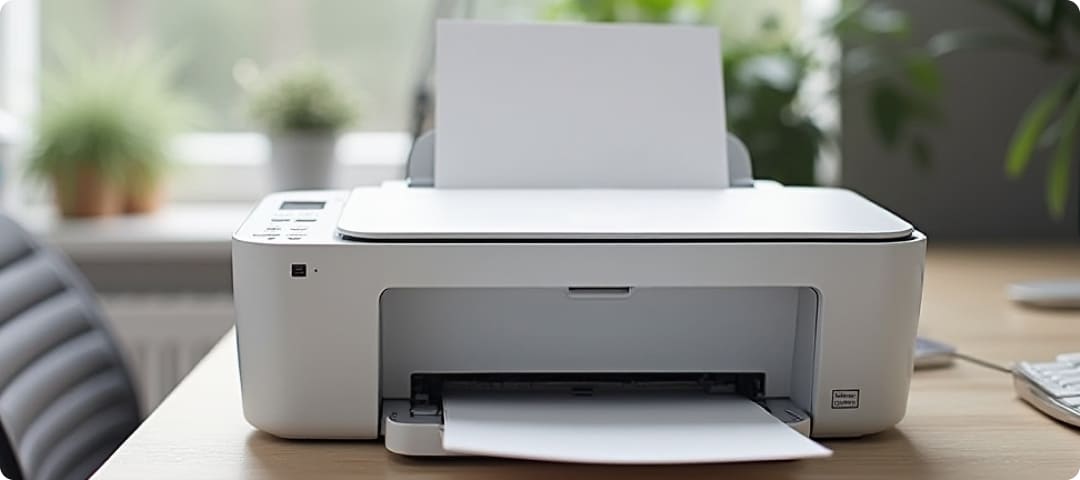

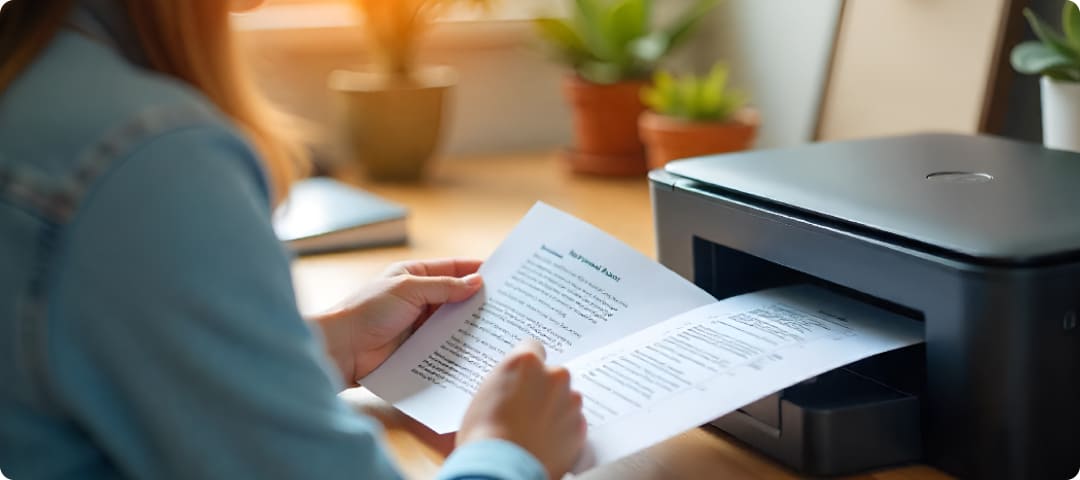
Printing continues to play an important role in both personal and professional environments. From everyday documents and assignments to reports and records, the demand for printed material remains consistent. However, this also leads to increased paper consumption, which can accumulate significantly over time. As a result, finding simple and practical ways to use paper more efficiently has become increasingly important.
One effective approach that supports this goal is duplex printing. Instead of printing on only one side of a sheet, duplex printing allows both sides to be used, making each page more productive. While the concept is straightforward, its long-term impact can be meaningful. By gradually reducing the number of sheets required for regular tasks, duplex printing helps manage resources more responsibly without changing the way people work or print daily.
Duplex printing refers to the process of printing on both sides of a sheet of paper. Many modern printers include automatic duplex functionality, where the device handles both sides without manual intervention. In other cases, users can still achieve the same result through manual duplex printing by reinserting the paper after the first side is printed.
This feature is particularly useful in environments where printing is frequent and ongoing. Offices that generate reports, educational institutions that handle assignments and study material, and even households managing documents can benefit from this functionality. Instead of using separate sheets for front and back content, duplex printing combines them into a single sheet, improving overall efficiency.
In addition to saving paper, duplex printing also contributes to a more organized and streamlined document format. Double-sided documents are often easier to handle, store, and review, especially when dealing with multi-page content. This makes duplex printing not only a resource-conscious option but also a practical one for everyday use.
One of the most direct advantages of duplex printing is the efficient use of each sheet of paper. By utilizing both sides, the same amount of information can be printed using fewer sheets. For example, a ten-page document printed in duplex mode would require only five sheets instead of ten. Over time, this reduction becomes more noticeable, especially in environments where printing is a regular activity.
When duplex printing is used consistently, it significantly reduces total paper usage. This is particularly beneficial in offices or institutions where large volumes of documents are printed daily. Even small reductions per document can lead to substantial savings when viewed over weeks or months. This approach helps create a more sustainable printing habit without requiring major operational changes.
Using fewer sheets also means that printed documents take up less physical space. This can make storage more manageable, whether it involves filing cabinets, folders, or desk space. Documents become more compact, reducing clutter and making it easier to organize records. Over time, this contributes to a more efficient workspace with better document management practices.
Duplex printing aligns with long-term resource management practices by encouraging efficient use of materials. Instead of relying on increased supply to meet printing demands, it focuses on optimizing existing resources. This approach helps maintain a balance between usability and conservation, making it suitable for both small-scale and large-scale printing environments.
Not all documents require single-sided printing. Drafts, internal reports, reference materials, and practice documents can often be printed on both sides without affecting usability. Duplex printing becomes particularly useful in these cases, allowing users to limit paper use where presentation is not the primary concern. This selective approach ensures that paper is used more thoughtfully.
Adopting duplex printing can gradually influence how users approach printing tasks. When double-sided printing becomes the default, users tend to become more mindful of what they print and how they use paper. This shift in behavior can lead to more responsible printing practices, such as reviewing documents before printing or avoiding unnecessary duplicates.
An important advantage of duplex printing is that it reduces paper usage without compromising functionality. Documents remain readable, structured, and easy to use. Whether it is for reading, reviewing, or sharing, double-sided printing maintains the purpose of the document while minimizing waste. This balance makes it a practical choice for everyday printing needs.
Duplex printing offers a simple yet effective way to manage paper usage over time. Making better use of each sheet, it reduces overall consumption without requiring significant changes in workflow or effort. Whether used in homes, offices, or educational settings, this feature supports more efficient printing practices.
Over time, the impact of duplex printing becomes more visible as fewer resources are used for the same output. It encourages a balanced approach where usability and efficiency go hand in hand. For anyone looking to adopt more mindful printing habits, duplex printing serves as a practical and accessible starting point.