

Printers are an essential part of both home and office environments, supporting everyday tasks such as document printing, reports, and basic image output. While many users focus on initial features and specifications, long-term performance depends on a broader set of factors. A printer that works well initially may not always maintain the same level of efficiency over time if these factors are overlooked. Understanding what influences durability, consistency, and ease of use can help users make better decisions and avoid unnecessary interruptions in their workflow.
Long-term printer performance refers to how reliably a device continues to operate over an extended period, not just during its initial use. Usability is equally important, as it determines how easily users can interact with the device on a daily basis. This includes everything from setting up the printer and navigating its controls to handling routine tasks like paper loading and maintenance. A well-performing printer should deliver consistent output quality, operate without frequent issues, and adapt to changing needs over time. At the same time, it should remain easy to use, even for those who may not be technically inclined. When performance and usability are considered together, it becomes easier to identify solutions that provide lasting value rather than short-term convenience.
The frequency of use and the number of pages printed regularly play a significant role in determining how well a printer performs over time. Devices designed for occasional use may not handle high workloads efficiently, leading to wear and reduced performance. On the other hand, printers built for higher volumes are better equipped to manage consistent usage without compromising output quality. Choosing a device that aligns with expected usage helps maintain reliability and reduces the chances of performance issues.
Different types of printing technologies operate using different mechanisms, which can affect both performance and maintenance. Some technologies are better suited for text-heavy printing, while others handle color and image output more effectively. Understanding how each type functions allows users to select a device that matches their specific requirements. This alignment ensures smoother operation and reduces the likelihood of encountering limitations over time.
Regular maintenance is one of the most important factors influencing long-term usability. Simple practices such as keeping the device clean, using compatible consumables, and following basic care guidelines can help prevent common issues. Neglecting maintenance can lead to reduced print quality, paper handling problems, or interruptions in operation. Consistent care helps extend the lifespan of the device and ensures that it continues to function as expected.
The physical construction of a printer plays a key role in its durability. Devices made with quality materials and well-designed components are more likely to withstand regular use. Design also affects how easy the printer is to operate. Features such as accessible paper trays, intuitive control panels, and clear displays contribute to a smoother user experience. A well-designed device reduces effort during everyday tasks and supports long-term usability.
Modern printers often include various connectivity options, such as wireless, USB, or network-based connections. Reliable connectivity ensures that the printer can integrate easily with different devices, including computers, laptops, and mobile devices. Compatibility with operating systems and software updates is also important, as it allows the printer to remain functional as technology evolves. A device with flexible connectivity options is more likely to stay relevant over time.
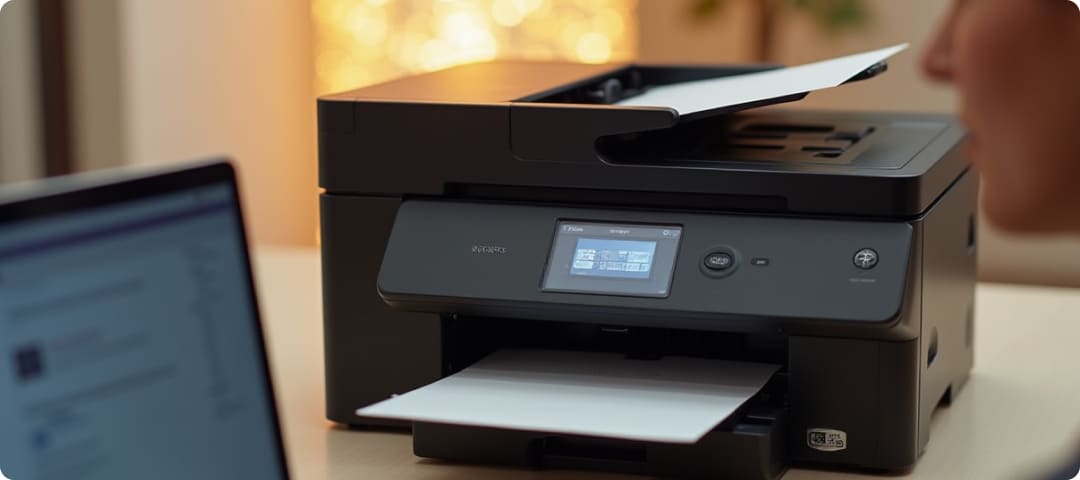
While many printers come with a wide range of features, not all of them may be necessary for every user. Choosing a device with features that align with actual needs helps improve usability and efficiency. For example, functions like duplex printing or multi-function capabilities can be useful if they match daily requirements. Focusing on practical features rather than unnecessary additions ensures that the device remains easy to use and effective in the long run.
A combination of thoughtful selection, appropriate usage, and consistent maintenance shapes long-term printer performance and usability. By considering factors such as workload, technology type, build quality, and relevant features, users can choose devices that continue to perform reliably over time. A balanced approach not only improves day-to-day efficiency but also supports a smoother and more dependable printing experience in the long run.