
Printing requirements are not the same for every user or environment. Some setups demand a compact, space-saving device that handles occasional tasks, while others require systems capable of managing continuous and high-volume output. As printing continues to support both personal and professional workflows, understanding the differences between compact and high-capacity printing devices becomes increasingly important for making practical and informed decisions.
Choosing the right device is not only about functionality but also about how well it integrates into daily routines. Factors such as workspace size, printing frequency, document type, and operational efficiency all influence the suitability of a printer. A clear understanding of these differences helps avoid mismatched expectations and ensures that the selected device aligns with real-world usage needs.
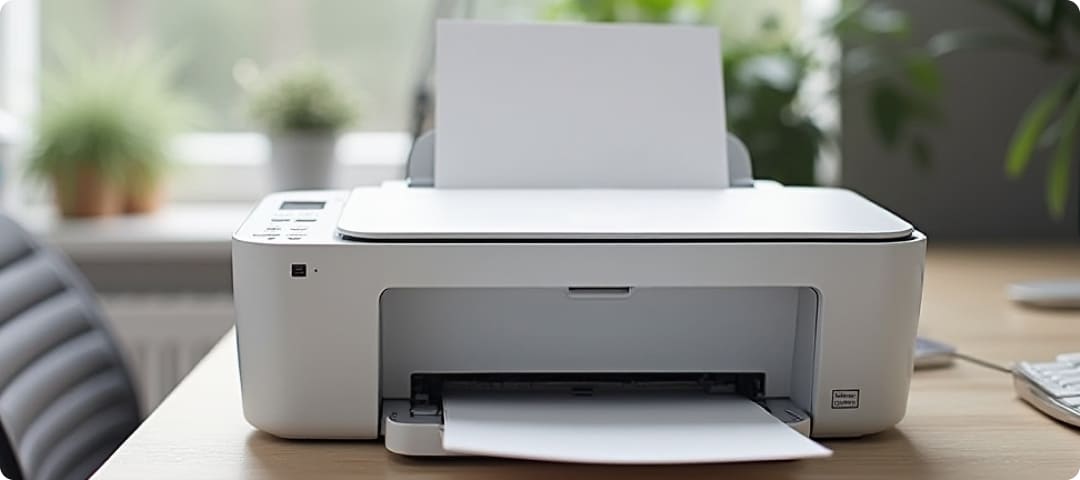
Compact printing devices are typically designed for environments where space is limited and usage is moderate. These devices are often lightweight, easy to install, and focused on delivering essential functionality without requiring a complex setup. They are commonly used in home offices, small workspaces, or for personal tasks where printing demand is relatively low, but consistency is still important.
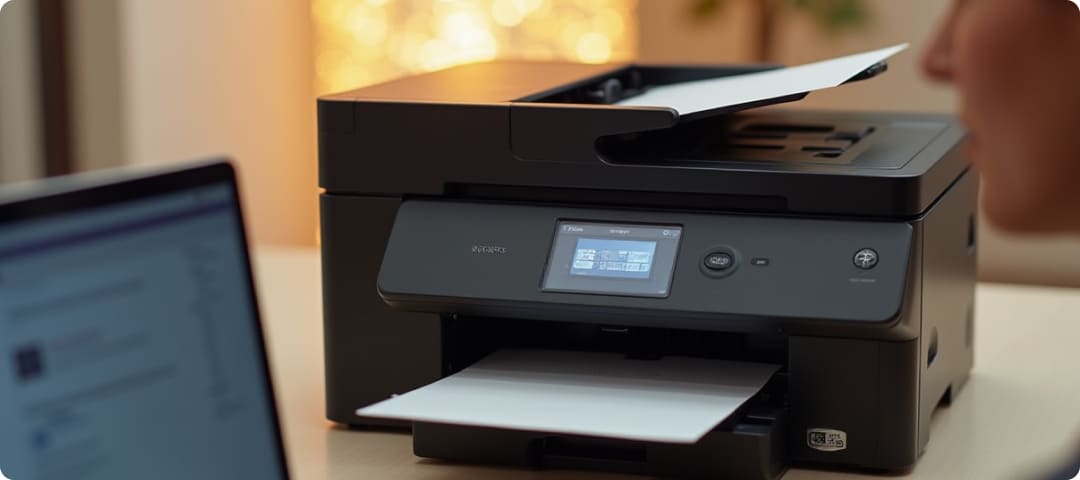
In contrast, high-capacity printing devices are built for more demanding environments. These systems are designed to handle larger workloads, support frequent printing, and maintain consistent performance over extended periods. They often include features that enhance efficiency, such as larger paper trays, higher duty cycles, and faster processing capabilities. These devices are commonly found in office environments or shared workspaces where printing is a regular and essential activity.
Understanding these two categories helps users evaluate not just the device itself, but also how it will perform over time based on their specific requirements.
Compact printers are designed with space efficiency in mind. Their smaller footprint allows them to fit easily on desks, shelves, or within tight workspaces. This makes them ideal for home users or small offices where available space is limited. Their portability also allows for flexible placement and easier relocation when needed.
High-capacity devices, on the other hand, are generally larger and require a dedicated area for installation. Their size is a result of additional components such as larger paper trays, enhanced internal mechanisms, and extended functionality. These devices are better suited for environments where space planning is already part of the setup, such as office floors or shared workstations.
One of the most significant differences between the two lies in how much printing each device is designed to handle. Compact printers are suitable for light to moderate use, such as printing documents, assignments, or occasional reports. They are built to manage everyday tasks efficiently without being overburdened.
High-capacity printers are engineered for environments where printing is frequent and continuous. They are capable of handling large volumes of work without a noticeable drop in performance. This makes them suitable for users who require consistent output throughout the day, especially in professional or multi-user settings.
Paper handling is another area where the difference becomes clear. Compact devices typically include smaller input trays, which means users may need to refill paper more frequently during use. While this is manageable for occasional printing, it may become less convenient in higher-demand situations.
High-capacity devices are equipped with larger paper trays and, in many cases, multiple input options. This allows them to handle longer print jobs without interruption and reduces the need for constant refilling. For environments that rely on steady workflow, this added capacity can significantly improve efficiency.
Performance varies depending on the design and intended usage of the device. Compact printers are optimized for steady and reliable performance in smaller workloads. They deliver consistent results for everyday printing tasks but may not prioritize high-speed output.
High-capacity printers are designed with efficiency in mind. They often offer faster print speeds, especially when handling multiple pages or large documents. This capability becomes important in environments where time efficiency and quick turnaround are essential to maintaining productivity.
Compact printers generally focus on core features such as printing and, in some cases, basic scanning or copying. Their functionality is designed to remain simple and easy to use, which makes them suitable for users who do not require advanced capabilities.
High-capacity devices often include a wider range of features. These may include multi-function capabilities, enhanced connectivity options, and workflow-oriented functions that support multiple users. These features make them more versatile and adaptable to different operational needs, particularly in office environments.
Maintenance requirements differ based on how each device is designed to be used. Compact printers are relatively easy to maintain for light usage and typically require minimal upkeep when used within their intended capacity. However, frequent or heavy use may increase the need for maintenance over time.
High-capacity printers are built for durability and long-term use. While they may require more structured maintenance due to their complexity, they are designed to deliver consistent performance over extended periods. This makes them a more suitable option for users who rely on printing as a regular part of their workflow.
Selecting between compact and high-capacity printing devices ultimately depends on understanding actual usage needs rather than simply choosing based on size or features. Compact printers offer convenience, simplicity, and space efficiency, making them well-suited for personal or low-volume environments. High-capacity devices provide the performance, efficiency, and durability required for more demanding tasks and higher workloads.
By evaluating factors such as print volume, workspace availability, and required functionality, users can make more informed decisions. Choosing the right device ensures not only better performance but also a smoother and more efficient printing experience over time.